Pakistani and Indian cooking share a border, a history and a great many dishes, so anyone claiming they are entirely separate cuisines is overstating it. But the differences are real, and they are consistent enough to be useful when you are choosing where to eat.
Meat is the default, not an option
This is the largest difference. India has a vast and ancient vegetarian tradition, and a substantial share of the population eats no meat at all. Pakistan does not. A Pakistani menu is built around mutton, beef and chicken, and vegetables are generally a side rather than a main.
It follows that a Pakistani restaurant will usually do meat better and vegetables less imaginatively than a comparable Indian one. That is a matter of emphasis, not skill.
Beef is normal
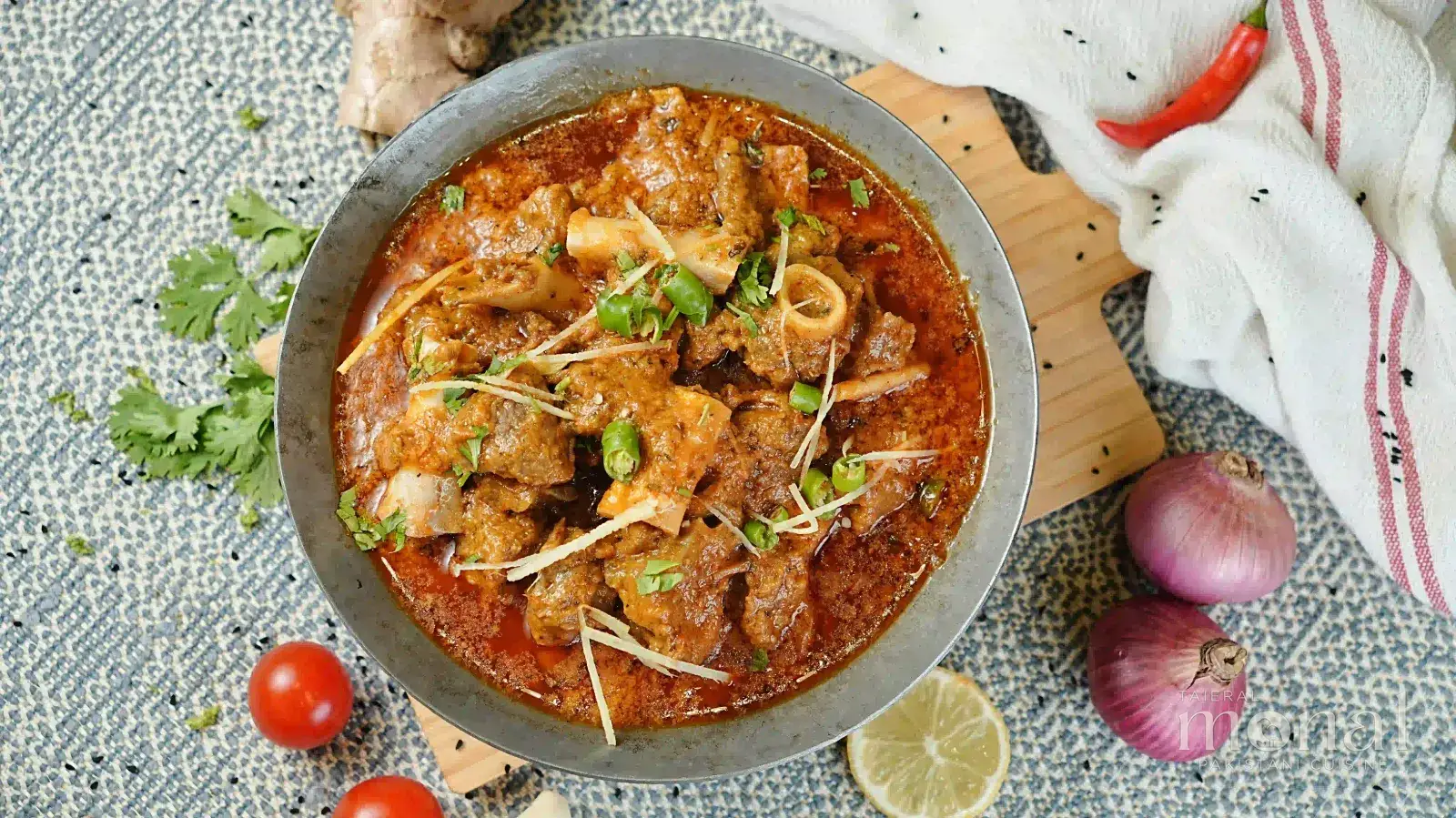
Beef is widely eaten in Pakistan and is rare across much of India for religious reasons. Nihari, the slow-cooked shank stew, is a beef dish and one of the defining plates of Pakistani cooking. Beef Nihari is AED 20 on our menu.
Wheat over rice, in the north at least
Northern Pakistani eating is wheat-led: naan, roti and paratha at most meals, with rice as an occasional dish rather than a daily staple. Much of southern and eastern India is rice-led. Biryani and pulao are the exceptions that everyone remembers, but they are events rather than everyday food.
The tandoor does more work
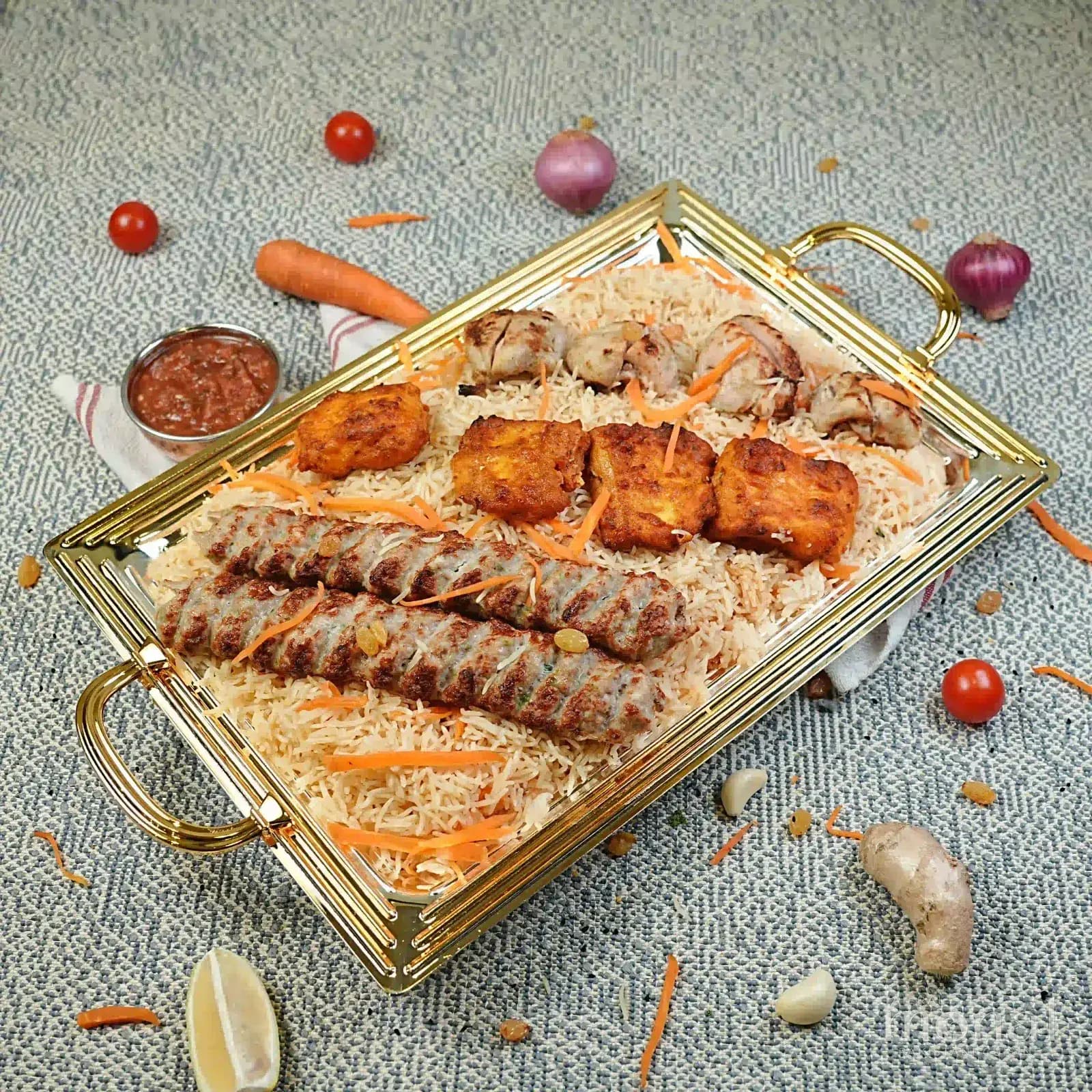
Pakistani cooking leans heavily on the clay tandoor, for bread and for the whole grill section: seekh kabab, tikka, boti, chargha. Charcoal and dry high heat are central in a way they are not across most Indian regional cuisines.
No coconut, no curry leaf, less tamarind
The souring and enriching agents differ. South Indian cooking uses coconut, curry leaf, tamarind and mustard seed heavily; Pakistani cooking uses yoghurt, cream, tomato, dried pomegranate and lemon. Two dishes can look similar and taste nothing alike because of it.
The dishes people ask about
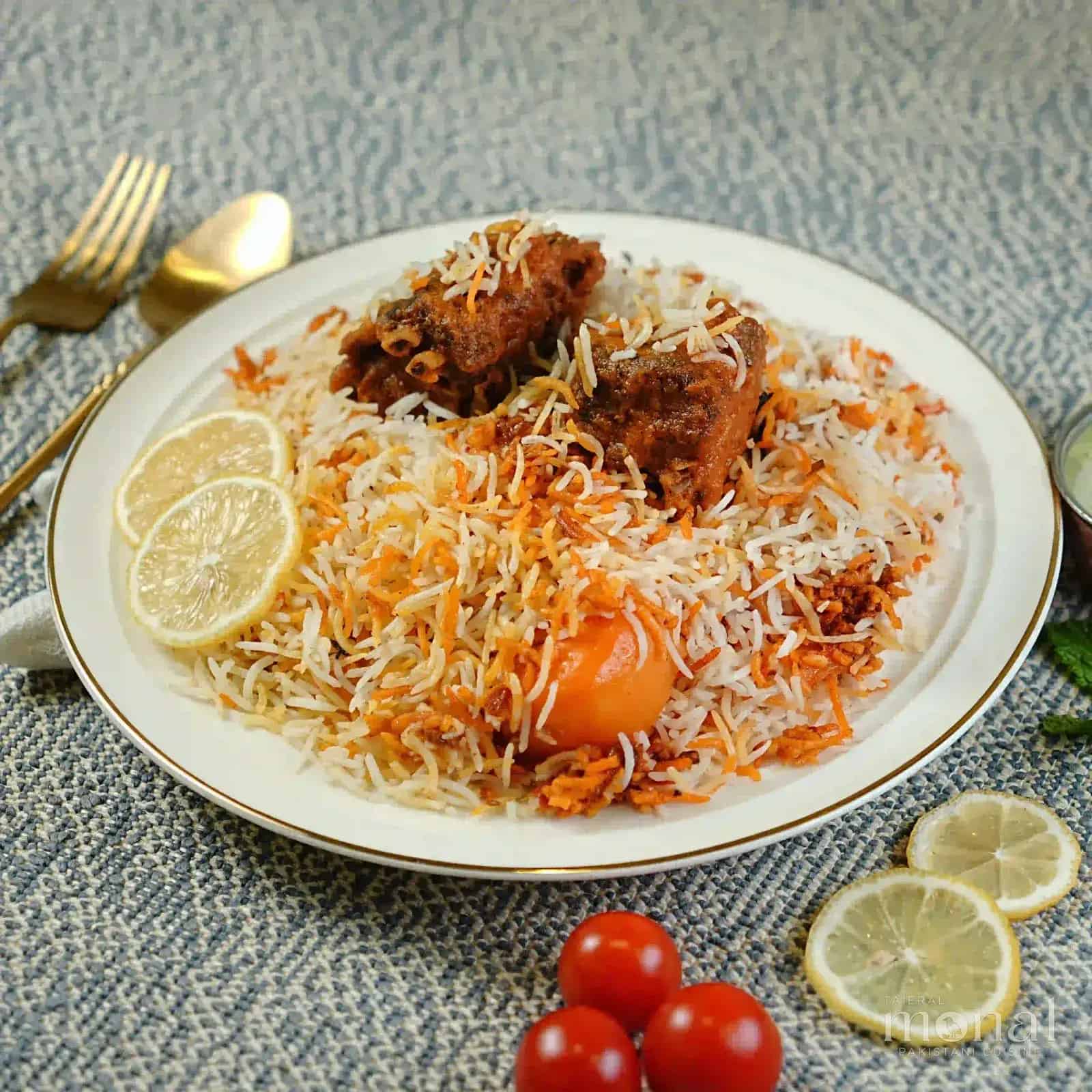
- Biryani: both, and older than the border. Pakistani versions, especially Karachi and Sindhi, are spicier and use more tomato and potato
- Nihari: Pakistani in practice, Delhi in origin, and beef
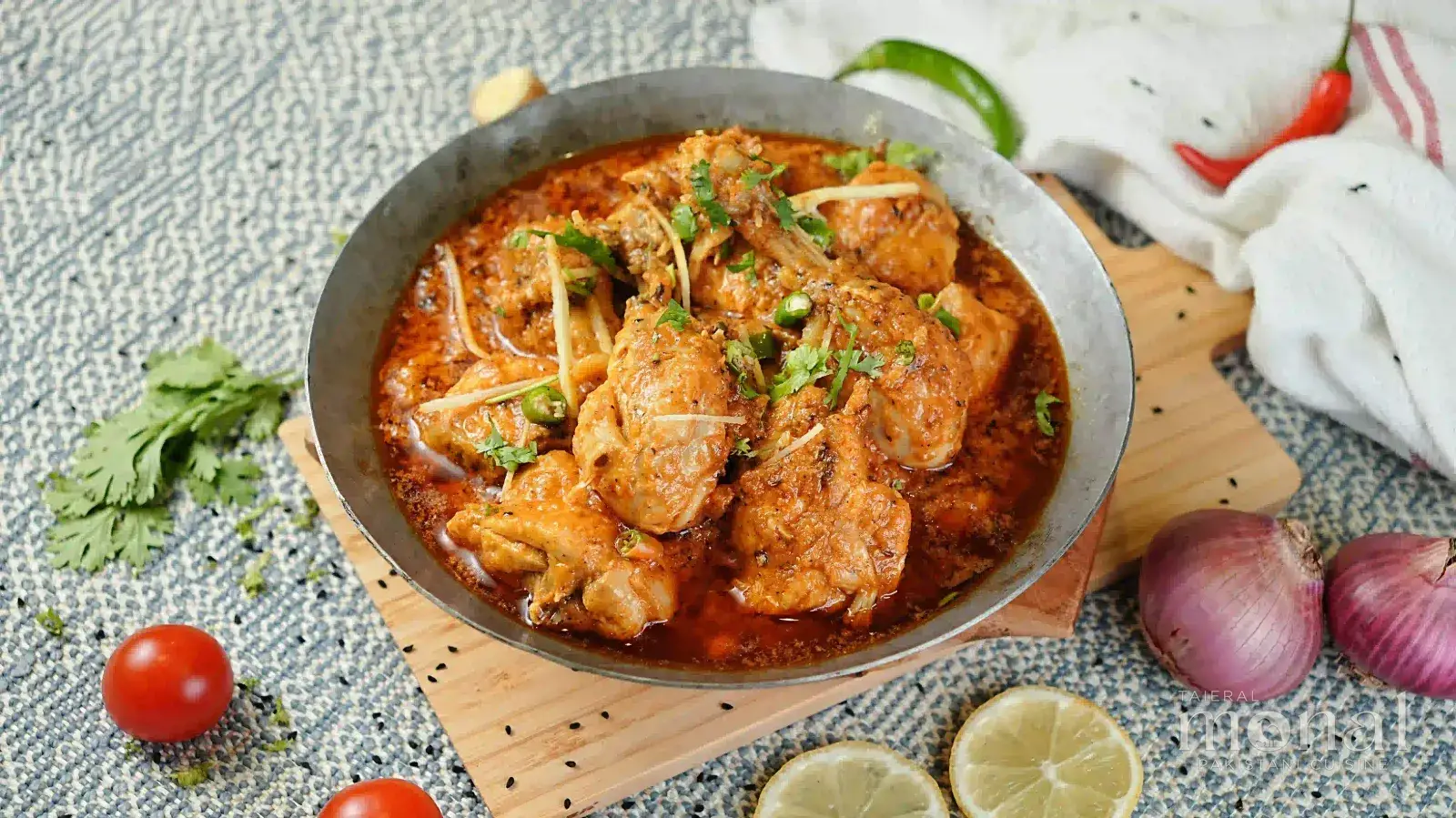
- Chargha: Pakistani, specifically Lahori
- Chapli kabab: Pakistani, specifically Peshawari
- Halwa puri: eaten in both, but the Sunday breakfast institution is Pakistani
- Butter chicken: Indian in origin, now standard on both sides
Which to choose
If you want grilled meat, wheat breads from a live tandoor, and slow-cooked mutton and beef, eat Pakistani. If you want vegetarian range, coconut-based gravies or South Indian food, eat Indian. Neither answer is about quality.
We are in Abu Shaghara, Sharjah, opposite Nesto Hypermarket, open noon to midnight seven days a week. If you are new to Pakistani food, start with what to order and check how spicy it really is.
Eighty-five dishes, one halal kitchen
Tandoor grills, karahi, handi and biryani in Abu Shaghara, Sharjah. Noon to midnight, seven days a week.
See the Full Pakistani Menu